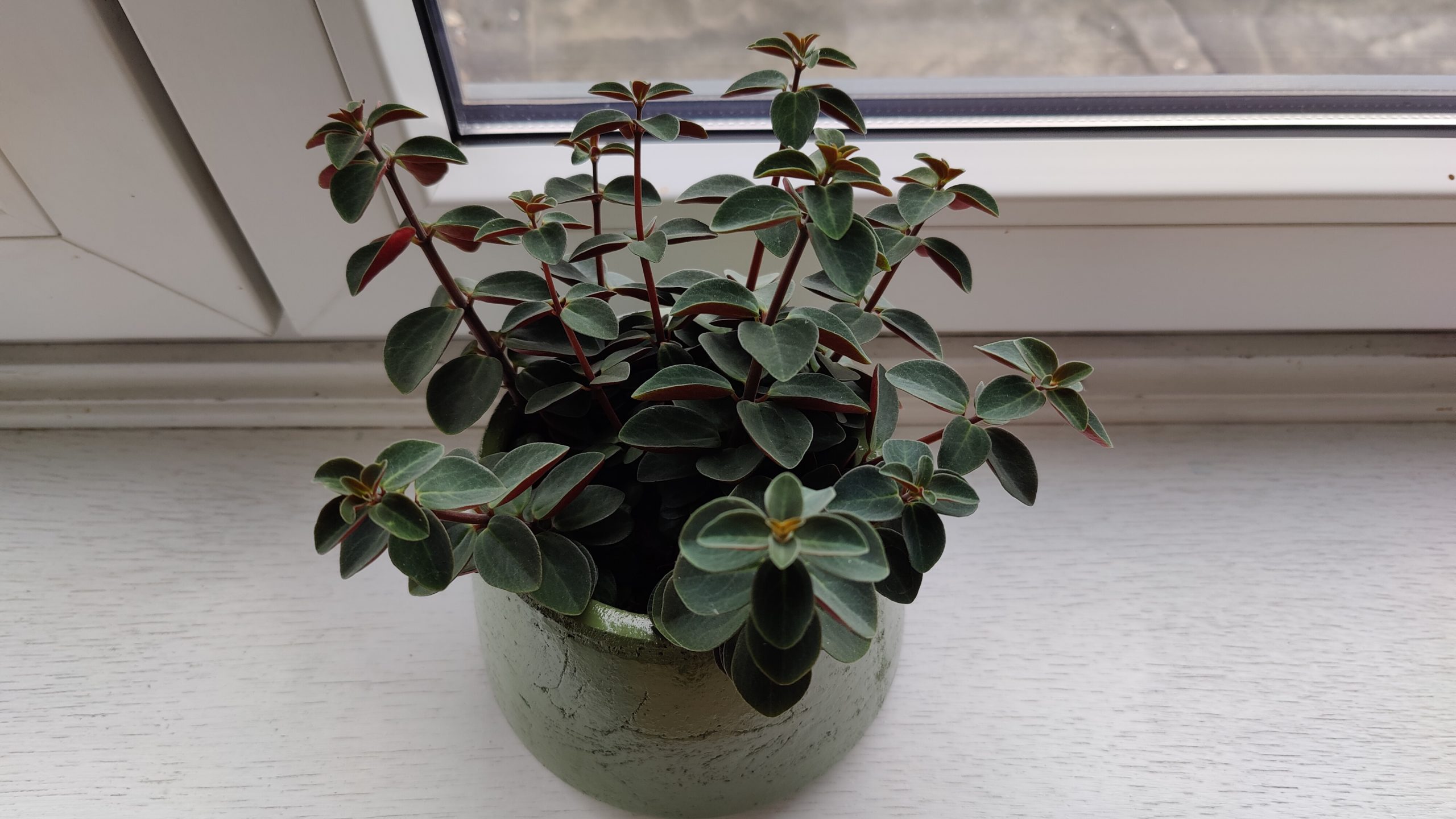
Description
Peperomia is one of the two large genera of the family Piperaceae. It is estimated that there are at least over 1,000 species, occurring in all tropical and subtropical regions of the world, though concentrated in Central America and northern South America. A limited number of species (around 17) are found in Africa. The exact number is difficult to tell as some plants have been recorded several times with different names (c. 3,000 names have been used in publications) and new species continue to be discovered. Peperomias have adapted to many different environments and their appearance varies greatly. Some are epiphytes (growing on other plants) or lithophytes (growing in rock crevices), and many are xerophytes (drought-tolerant) either with thick succulent structures or with underground tubers (geophytes). Most species are compact perennial shrubs or vines. The genus name Peperomia was coined by Spanish botanists Ruiz López and Pavón Jiménez in 1794 after their travels in Peru and Chile. Peperomias do not have a widely accepted common name and some argue that it is better to use the genus name, as is the case with many other plant groups including Petunias and Begonias. They are sometimes called radiator plants, a name possibly coined by L.H. Bailey because many of them enjoy bright and dry environments similar to a windowsill above a radiator.